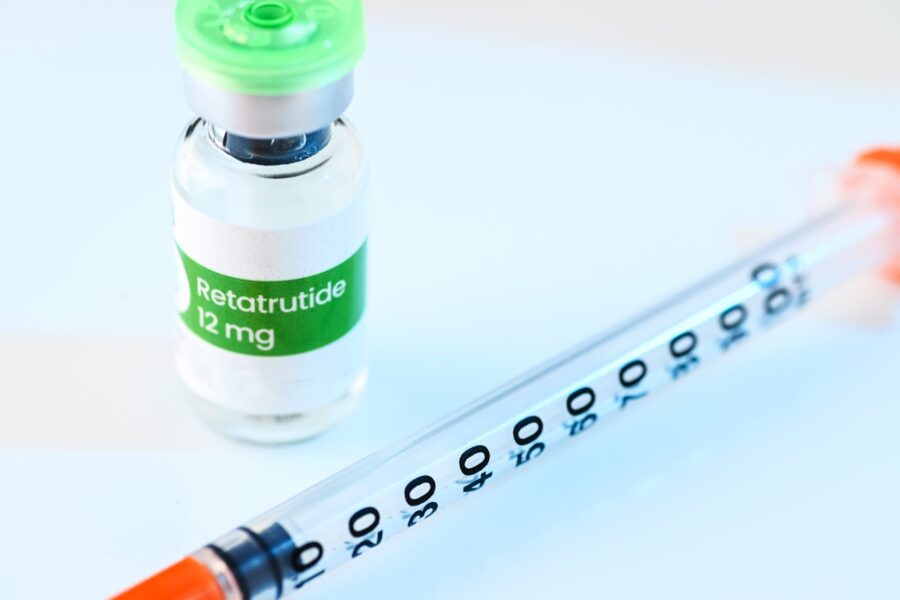
Clinical trial phases shape how research compounds move through scientific validation and into broader study pipelines. Phase 2 work establishes early efficacy signals and safety observations across controlled participant groups. Phase 3 expands that scope significantly, involving larger populations and longer observation windows before regulatory bodies assess the accumulated data. For those purchasing peptides in a research context, trial progression directly influences compound availability, supplier catalogue updates, and documentation standards across the market. read more to get the full context on how this trial framework connects to procurement decisions. Buyer interest in this compound has tracked closely alongside published trial updates, creating a pattern where clinical milestones generate measurable shifts in sourcing activity, supplier stock levels, and community discussion volume across research forums.
Trial progression and sourcing activity
Phase 2 publication for this compound generated immediate movement in online procurement patterns. Researchers following the literature began sourcing earlier, ahead of anticipated demand increases that typically follow positive interim data releases. Suppliers responded by expanding available stock and updating documentation to reflect growing buyer scrutiny.
Phase 3 entry amplified that pattern further. Buyers sourcing for independent research became more exacting in their requirements, requesting batch-specific purity data, updated certificates of analysis, and clearer storage guidance than earlier procurement cycles demanded. Supplier pages evolved in direct response to that elevated standard.
Buyer research habits during trial cyclesefore purchasing. During active phase 3 periods, procurement research deepens considerably compared to earlier stages. Forum discussions shift from basic sourcing questions toward more detailed compound characteristic comparisons, reconstitution references, and receptor mechanism breakdowns.
Specific shifts observed across buyer research behaviour during trial cycles:
- Search queries became more compound-specific rather than category-broad
- Documentation requirements moved from optional to expected across reputable suppliers
- Independent purity testing results gained higher circulation in sourcing communities
- Buyers began cross-referencing published trial data against supplier compound specifications
This behavioural pattern reflects how clinical validation progress feeds directly into procurement sophistication rather than remaining separate from it.
Catalogue updates following trial milestones
Supplier catalogues don’t remain static during active trial periods. New data releases prompt updates to product descriptions, storage recommendations, and sometimes pricing structures as demand forecasting adjusts. Vendors tracking published literature closely tend to update listings faster than those responding only to buyer inquiry volume.
Buyers who monitor trial progress independently arrive at supplier sites already holding context that shapes their evaluation criteria. Certificate of analysis documents, molecular purity thresholds, and batch consistency records all get reviewed against a backdrop of what published phase data has established about this compound’s characteristics. That informed evaluation approach distinguishes current procurement behaviour from how online peptide buying operated before trial data entered wider circulation.
Phase trial context has become an active input into online procurement decisions rather than background information that buyers disregard. Sourcing activity, supplier responsiveness, documentation depth, and buyer research habits all shift in response to clinical milestone publications. For anyone purchasing this compound in a research capacity, staying current with trial developments shapes every stage of the procurement process in practical, measurable ways.