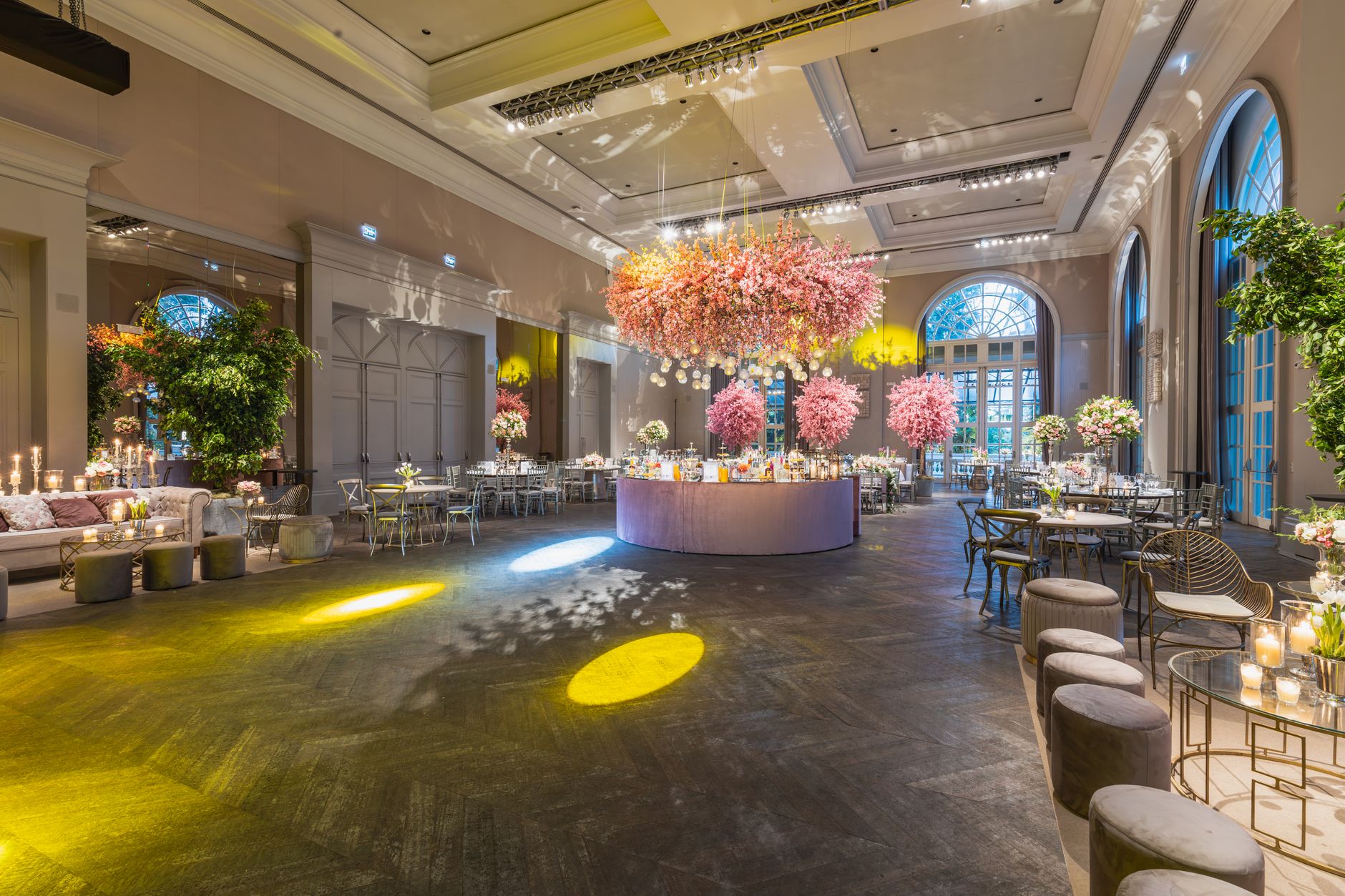
An architrave is a decorative moulding that frames doors and windows, serving both functional and aesthetic purposes. It conceals gaps between the wall and the door or window frame, providing a smooth transition. Beyond its practical role, the architrave enhances the overall interior design by adding depth, character, and style to a room. Selecting the right architrave style can significantly influence whether a space feels traditional, contemporary, or minimalist.
What are the main types of architrave profiles?
Architrave profiles vary in design, each creating a distinct visual impact. Some popular profiles include:
- Ogee: Characterized by an S-shaped curve, it adds a classic, ornate appearance.
- Chamfered: Features a beveled edge, offering a subtle and contemporary look.
- Bullnose: Rounded edges provide a soft and understated finish.
- Square or Modern: Clean, straight lines for a minimalist and modern aesthetic.
- Beaded: Small rounded bead along the edges, giving a traditional touch without overwhelming the design.
Which materials are commonly used for architraves?
Architraves come in a variety of materials to suit different interiors and budgets. The main options include:
- Wood: Offers warmth and versatility. Hardwood is durable, while softwood can be more economical.
- MDF (Medium-Density Fibreboard): Smooth and easy to paint, ideal for intricate designs.
- PVC: Resistant to moisture and low maintenance, suitable for kitchens and bathrooms.
- Metal: Stainless steel or aluminum architraves provide a modern, industrial look.
How do I choose an architrave style for a traditional interior?
For traditional interiors, architraves with decorative profiles like ogee, beaded, or fluted designs work well. These styles complement classic furniture, crown mouldings, and ornate décor. Pairing a painted or stained wooden architrave with matching skirting boards can create a cohesive and elegant finish.
What architrave styles suit modern interiors?
Modern interiors benefit from minimalistic architraves with straight lines and simple edges. Square or chamfered profiles provide a clean and streamlined appearance. Using materials like MDF, painted wood, or even metal can emphasize contemporary design, keeping the focus on simplicity and function.
Can architraves be painted or stained?
Yes, architraves can be painted or stained to match or contrast with other elements of the room. Painting offers flexibility in color schemes, while staining highlights the natural beauty of wood. For a traditional look, darker stains or classic white paint are common. Modern designs often favor neutral tones or bold contrasting colors for a striking effect.
What are the standard sizes for architraves?
Architrave sizes vary depending on door or window dimensions and the desired visual effect. Common widths range from 60mm to 120mm, while thicknesses typically vary between 10mm and 20mm. Taller ceilings or larger doors often call for wider architraves to maintain proportion and balance. Custom sizing is also possible for unique architectural requirements.
How does an architrave complement other architectural features?
Architraves work in harmony with skirting boards, cornices, and ceiling mouldings to create a unified look. Matching styles can enhance traditional interiors, while contrasting finishes or minimalist profiles can accentuate modern spaces. Choosing an architrave that aligns with other decorative elements helps maintain visual flow throughout the home.
Are there architraves suitable for high-traffic areas?
Yes, certain materials and profiles are better suited for areas with heavy use. Hardwood architraves are durable and resist dents and scratches. MDF is also strong but may require a protective paint finish. PVC architraves are particularly ideal for moisture-prone or high-traffic zones due to their resilience and low maintenance.
Can architraves help with insulation and soundproofing?
While architraves are primarily decorative, they can provide a slight improvement in insulation and soundproofing by covering gaps around doors and windows. When combined with weatherstripping or sealing, they can help reduce drafts and noise infiltration, contributing to a more comfortable indoor environment.
How do I install an architrave?
Installing an architrave involves measuring the perimeter of the door or window, cutting the moulding to size, and securing it to the wall or frame using nails or adhesive. Mitred corners are common for a polished look, although overlapping joints can be used for a simpler installation. Finishing involves filling gaps, sanding edges, and applying paint or stain. Professional installation ensures precise alignment and a flawless appearance.
Can I mix different architrave styles in one home?
Mixing architrave styles is possible, but it requires careful planning. Maintaining a consistent material or finish helps tie together different profiles. For instance, combining ornate architraves in formal rooms with simpler, modern designs in casual spaces can add variety while maintaining harmony.
What trends are popular in architrave design?
Current trends in architrave design include:
- Minimalist profiles with clean, sharp edges.
- Oversized or statement architraves for high ceilings or feature doors.
- Soft rounded edges for a contemporary yet approachable look.
- Bold paint colors or contrasting finishes to create visual interest.
- Integrated designs where the architrave flows seamlessly into skirting or wall panels.
How do I maintain and care for architraves?
Maintenance depends on the material:
- Wooden architraves may require occasional polishing or repainting.
- MDF should be wiped clean with a damp cloth and repainted if damaged.
- PVC and metal architraves are low maintenance and can be cleaned with mild detergent. Regular cleaning prevents dust accumulation and keeps edges crisp and defined.
Are there eco-friendly architrave options?
Yes, sustainable architraves made from reclaimed wood or certified timber are available. MDF can also be eco-friendly if produced from recycled materials. Choosing low-VOC paints and finishes further enhances environmental sustainability without compromising design quality.
Can architraves be customized for unusual door or window shapes?
Absolutely. Architraves can be adapted for arched windows, sliding doors, or irregularly shaped openings. Custom fabrication allows for curves, angles, and unique profiles, ensuring that every frame complements the architecture perfectly.
Do architraves increase the value of a property?
While architraves are a subtle feature, they contribute to the overall finish and perceived quality of a home. Well-chosen and professionally installed architraves can enhance aesthetic appeal, creating a polished interior that adds to property value. They demonstrate attention to detail, which is often appreciated by buyers and designers alike.
Can I combine architraves with other decorative trims?
Yes, architraves can be paired with decorative trims such as corner blocks, rosettes, or layered mouldings to create a more elaborate frame. In traditional interiors, this layering adds richness and depth. In modern designs, minimal combinations or subtle enhancements can maintain simplicity while adding visual interest.
How do I decide between a subtle or statement architrave?
Choosing between subtle and statement architraves depends on room size, ceiling height, and overall design goals. Smaller rooms often benefit from understated architraves to avoid overwhelming the space, while larger rooms or feature doors can accommodate bold, wide mouldings that draw attention. Proportions and balance are key considerations.
Are architraves only for interior doors and windows?
While most commonly used indoors, architraves can also be applied externally if made from weather-resistant materials like treated wood, PVC, or composite materials. Exterior architraves frame front doors or patio openings, enhancing curb appeal and protecting structural gaps from weather exposure.
Can architraves be removed or replaced easily?
Yes, architraves can be removed or replaced without extensive wall damage. Careful prying or cutting along edges allows for removal, after which a new architrave can be installed. This flexibility makes it easy to update interior design without major renovations.
Conclusion
Architraves are more than decorative trims; they are integral elements that frame doors and windows, enhance interior style, and provide practical protection. From classic ornate designs to sleek modern profiles, there is an architrave style to suit every home. By understanding materials, profiles, and installation techniques, homeowners can select architraves that not only complement their interiors but also elevate the overall aesthetic, creating spaces that feel cohesive, elegant, and thoughtfully finished.